Duterte Makes Mental Health Law Official
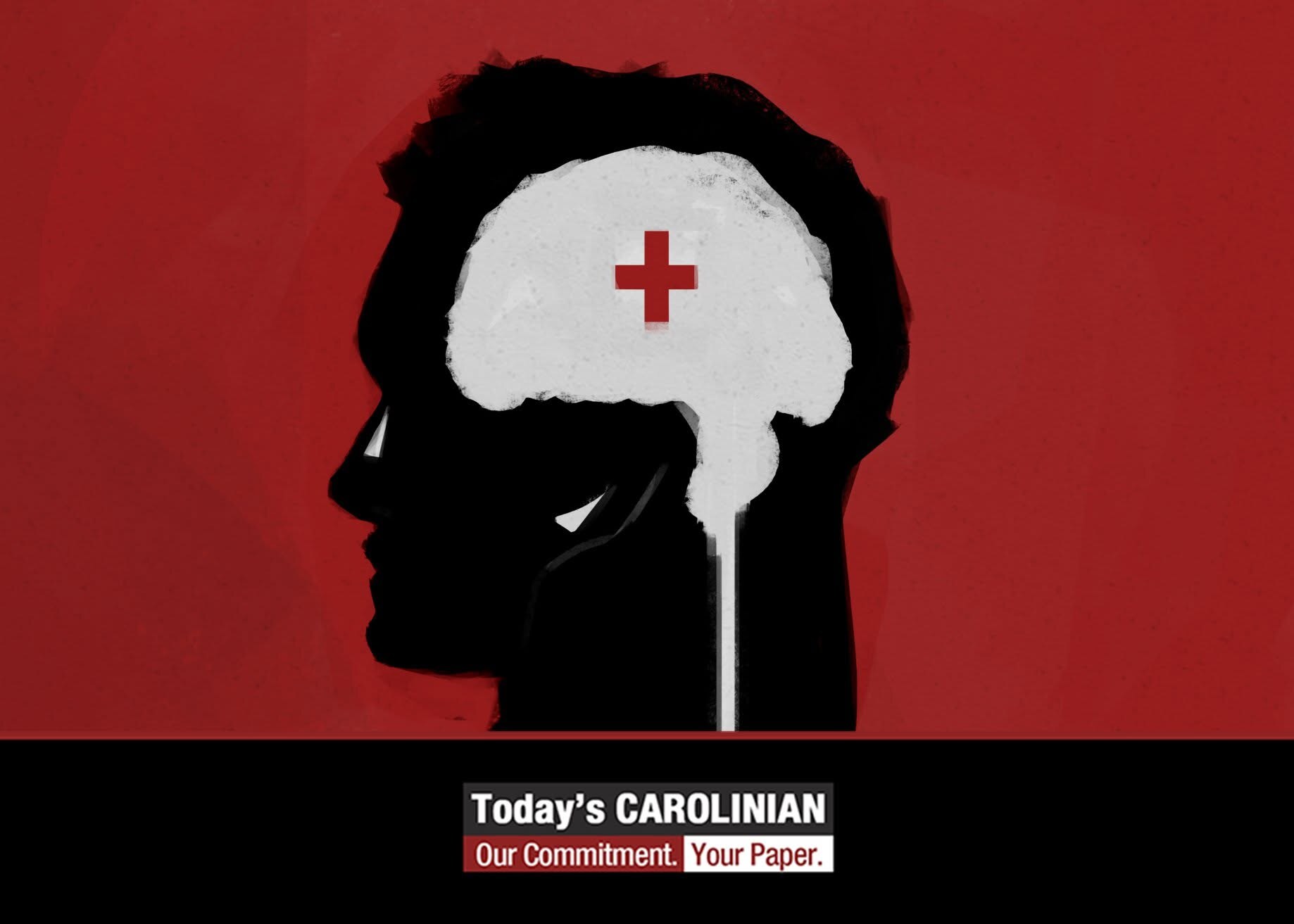
Illustration by Eduard Jude Jamolin
The RA 11036 or the Mental Health Law has finally been signed on June 20 by President Rodrigo Duterte, official Last Thursday. The signing of the measure into law was confirmed by its proponents, Senators Risa Hontiveros and Sonny Angara, as well as by Special Assistant to the President Bong Go.
The RA 11036 law seeks to provide mental health services down to the barangay level and integrate mental health programs in hospitals. It also seeks to develop, improve, and establish a comprehensive, integrated, effective, and efficient national mental health care system responsive to Filipinos’ psychiatric, neurologic, and psychological needs. The bill also calls on the government health insurance provider PhilHealth to cover psychiatric consultations and medicines, and not just hospitalization.
“The state affirms the basic rights of all Filipinos to mental health as well as the fundamental rights of people who require mental health services,” the newly-signed law states.
Mental health advocates and mental illness sufferers regard it as the culmination of a struggle that has gone on for too long. Having a national law on mental health will be a big help for those suffering from depression and other mental health issues, according to Senator Risa Hontiveros.
For Hontiveros, the principal author of the mental health bill, continuous research on the issue has helped the Department of Health in addressing the issue pending the passing of a law.
“The advocates have been drafting this bill and re-drafting it and re-filing it, congress after congress within the past 2 decades. And so have refined it further and further. Nasabayan pa nung continuous research about this phenomenon in order to build database to enable the Department of Health now to really provide psychiatric, neurological and psychosocial services down the line up to the grassroots level with different sectors of mental health and in general health service providers,” she said.
Senator Juan Edgardo Angara, one of the authors, commended Duterte, saying that the law will be a huge step in making mental health care more affordable, accessible and equitable.
“We renew our call to PhilHealth to cover fees for psychiatric consultations and medicines, as early intervention and prevention is crucial in treating mental illness,” he said in a press statement.
He said, under the Mental Health Act, that PhilHealth must ensure that insurance packages equivalent to those covering physical disorders of comparable impact are available to patients affected by mental disorders.
Angara also said that with the Mental Health Law, the public can now paint a clearer picture of a Philippines where every citizen is able to maintain a stable emotional balance to handle daily tasks.
“We hope that this law will help Filipinos overcome the stigma of mental illness and enable them to seek professional help. This law gives people with mental health problems and their families the opportunity to hope for better lives,” he said.
Also, Youth for Mental Health Coalition national adviser Dr. Gia Sison, for her part, believes it’s time people start talking about mental health issues to break the stigma.
“We always say depression is an illness, but it doesn’t define the person, and it can hit anyone. It has nothing to do with success also. So, the least that we can do is to keep talking about it, and as what Senator Risa mentioned, it’s really to break the stigma. I think it’s about time that we start talking about mental health openly,” she said.
The law creates the Philippine Council for Mental Health as the policy-making body attached to the Department of Health (DOH) to oversee the implementation of the law and develop and periodically update a national multi-sectoral strategic plan for mental health.
The council will be chaired by the Health Secretary. Members include Education, Labor, and Local Government secretaries; chairpersons of the Commission on Human Rights (CHR) and Commission on Higher Education; and one representative each from the academe, health, and nongovernment organizations.
To provide appropriate mental health care services and enhance the rights-based approach to mental health care, the DOH is delegated to fund the establishment and assist in the operation of community-based mental health care facilities in the provinces, cities and cluster of municipalities in the entire country.
The DOH is also tasked to determine the standards of mental health services at the community level. The law further states that mental health services shall also include mechanisms for suicide intervention, prevention, and response strategies, with particular attention to the youth’s concerns.
RA 11036 also mandates the integration of mental health into the educational system. Every local government unit and academic institution are delegated to create their own program in accordance with the general guidelines set by the Philippine Council for Mental Health Care. Education facilities, such as schools, colleges, universities, and technical schools, are required to develop policies and programs for students, educators, and other employees designed to raise awareness of mental health issues. They are also designated to identify and provide support and services for individuals at risk, as well as to facilitate access, including referral mechanisms of individuals with mental health conditions to treatment and psychological support.
To promote mental health in the workplace, employers are instructed to develop policies and programs on mental health; raise awareness on mental health issues; correct the stigma and discrimination associated with mental health conditions; provide support for individuals at risk; and facilitate of access to treatment and psychosocial support.
The Labor department and the Civil Service Commission are also directed to develop guidelines on appropriate and evidence-based mental health programs for the work place.
The mental health law also tasks the CHR to establish mechanisms to address complaints of impropriety and abuse in the treatment and care; inspect mental health facilities; and investigate involuntary treatment.
Any individual who will violate the Mental Health Act may face imprisonment of not less than six months but not more than two years, or pay a fine of not less than P10,000 but not more than P200,000.