Us and the Media
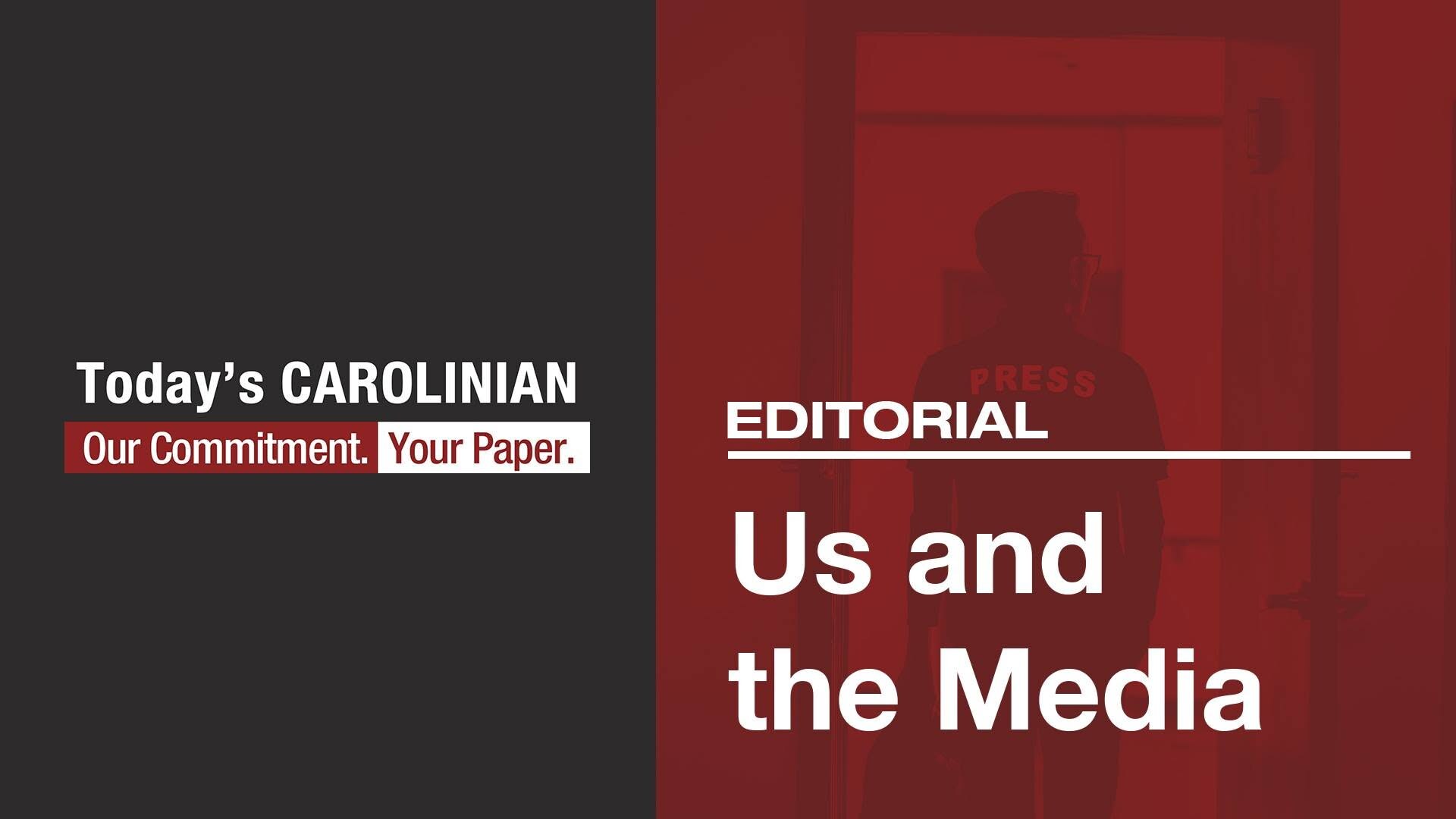
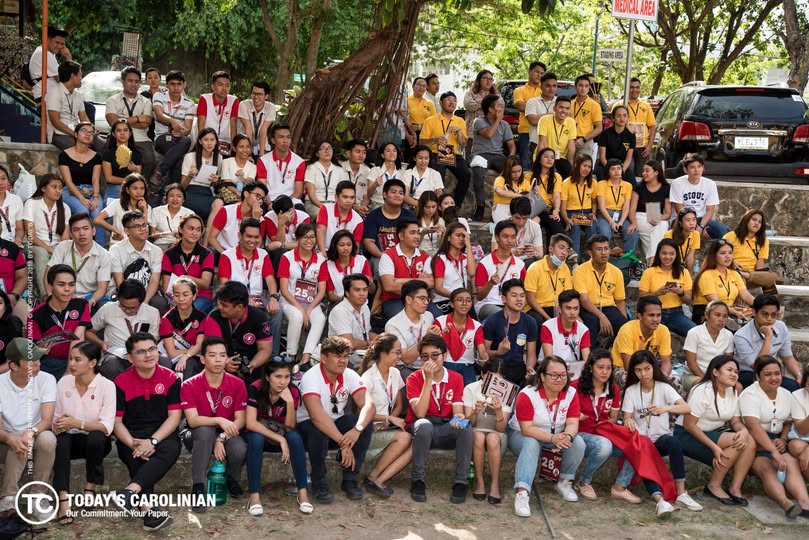
Photo by Lance Matthew Pahang
According to Reporters Without Borders, the Philippines ranks 134th in the 2019 World Press Freedom Index. This indicates that out of 180 nations the organization assessed, we are part of the lower end in terms of media oppression.
This proves unsurprising, as we have high-ranking government officials who openly attack the media. The narrative has not changed: The government accuses journalists of destabilization, a glaring example being the recent matrix linking profiles in a plot to oust the president, which was immediately proven untrue owing to an impossible IP address. When the lies are discovered, the government proceeds to cover them up. When found out, the government weasels its way out with more lies, until the people are bored enough for it to deflect the issue.
It does not stop here either. According to award-winning journalist Inday Espina-Varona in the Spectrum Fellowship 2019, a gathering of student journalists across the Philippines, the government engages in interrelated attacks involving the aforementioned lies, an army of trolls, and the denial of access and operations of journalists. Further, journalists are accused as accessories to terrorism upon the coverage of stories of entities arbitrarily referred to by the government as terrorists, despite the truth holding no prejudice against everyone’s stories. It is this truth that we deserve.
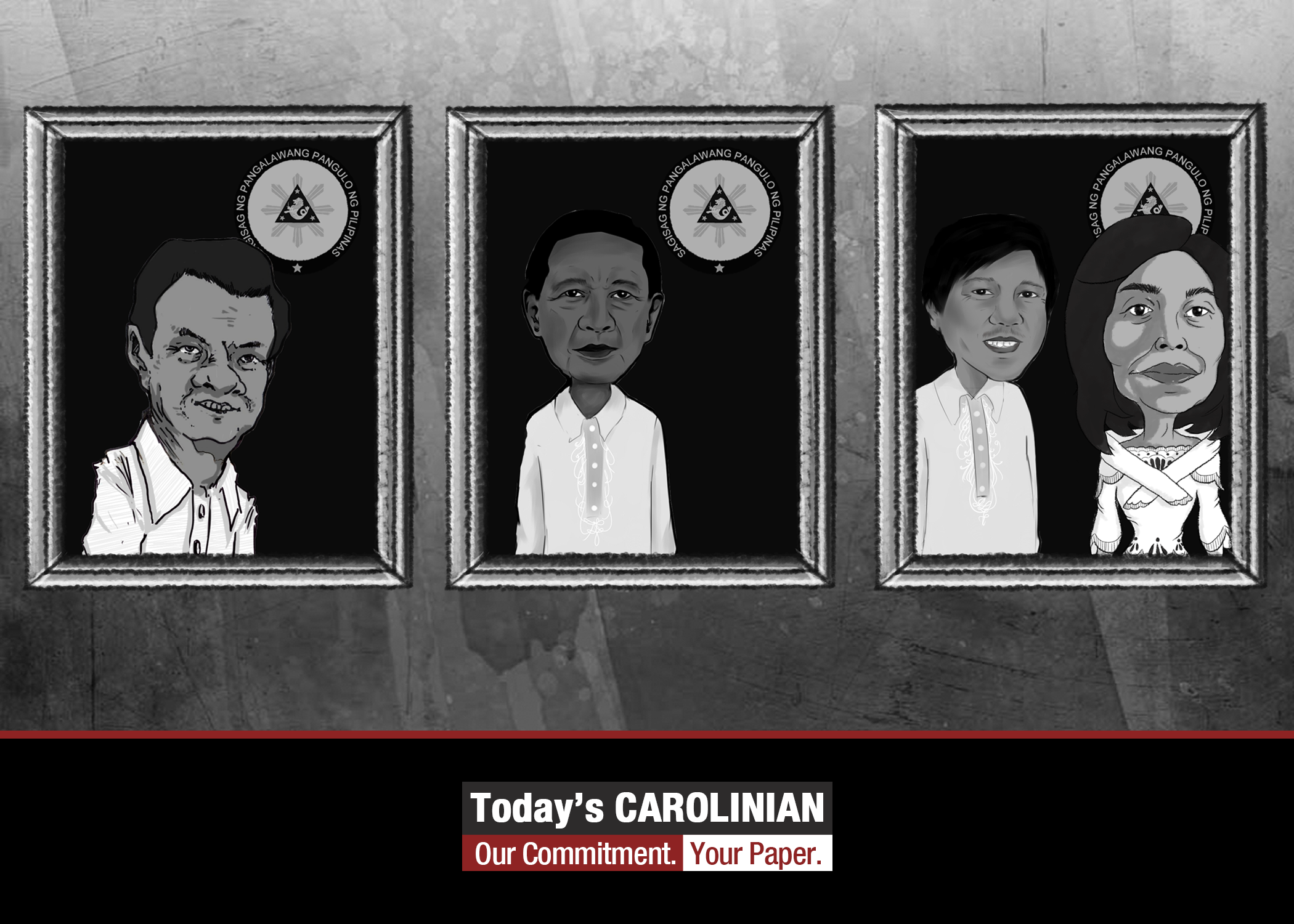
However, attacks against the media are nothing new. In 1972, Ferdinand Marcos took control of all independent media. In 2010 under the administration of Gloria Macapagal-Arroyo, the Maguindanao massacre, which had 32 journalists killed, happened. During Benigno Aquino III’s turn as president from 2010 to 2016, 31 journalists were killed, second to Arroyo’s term after Marcos’s martial law era. These do not include unfounded threats of libel, the vilification of the media openly and politicking of major media entities.
In a democracy, a recurring problem, such as the attacks against and exploitation through the media, ties back to one entity: us, the citizens of the Philippines. We have to realize that the true power of the government emanates from us, not from some divine being worshipped by fanatics or any elite group for that matter. One way for us to comprehend the critical role we serve in nation-building is through journalism and other forms of media.
However, our misunderstanding of the different aspects of journalism and the media makes us easy prey for high-ranking individuals and the institutions they represent. Our unknowledge of journalism ethics and principles makes us vulnerable to sensationalized stories at the expense of truth and accuracy. We would rather imprison ourselves in bubbles in an era when all information is at the tip of our fingers. Even with all the resources available to us, we willfully choose ourselves to be ignorant.
Here is the irony: With about fifty to sixty million social media users — leading the entire globe, we Filipinos choose not to believe credible media sources. We take in everything, without verification — which is supposed to be a staple in responsible use of the media — and we share them, failing to see the nuances of an issue. This goes especially for the older generations, about whom Espina-Varona stated, “It is older people who are spreading disinformation.” With this, the media is at a severe risk considering that according to a 2019 Global Digital Report, half of Filipino internet users are above 25 years old — the “older” people, those who hold authority.
On top of this, we do not truly understand the concept of media pluralism — a state where we must refer to diverse opinions and analyses in media, and where we must acknowledge that different types of media have to coexist. We instead stick to that one flavor despite the existence of many others. This has become especially dangerous, as a near-duopoly of many forms of media exist between giant networks ABS-CBN Corporation and GMA Network Inc. owing to a high media audience concentration between them. This entails that political seizure in any of those two can jeopardize the flow of information we blindly receive. Besides this, we are at high risk of political control over media funding and over news agencies according to the 2019 report by Reporters Without Borders. We have to learn to diversify our sources, instead of living within echo chambers whose foundations are either weak or completely nonexistent.
In the end, it is a cycle: We deprive ourselves of critical thinking when dealing with what media has to offer to us. The government and other political entities hijack that to produce its own narrative. We believe, we share, and we fail again to think critically. All of this say much more about our identity as Filipinos than about the malice within our government.
Today is World Press Freedom Day. In our country, there is nothing to celebrate.