First GenEd and Mission Symposium
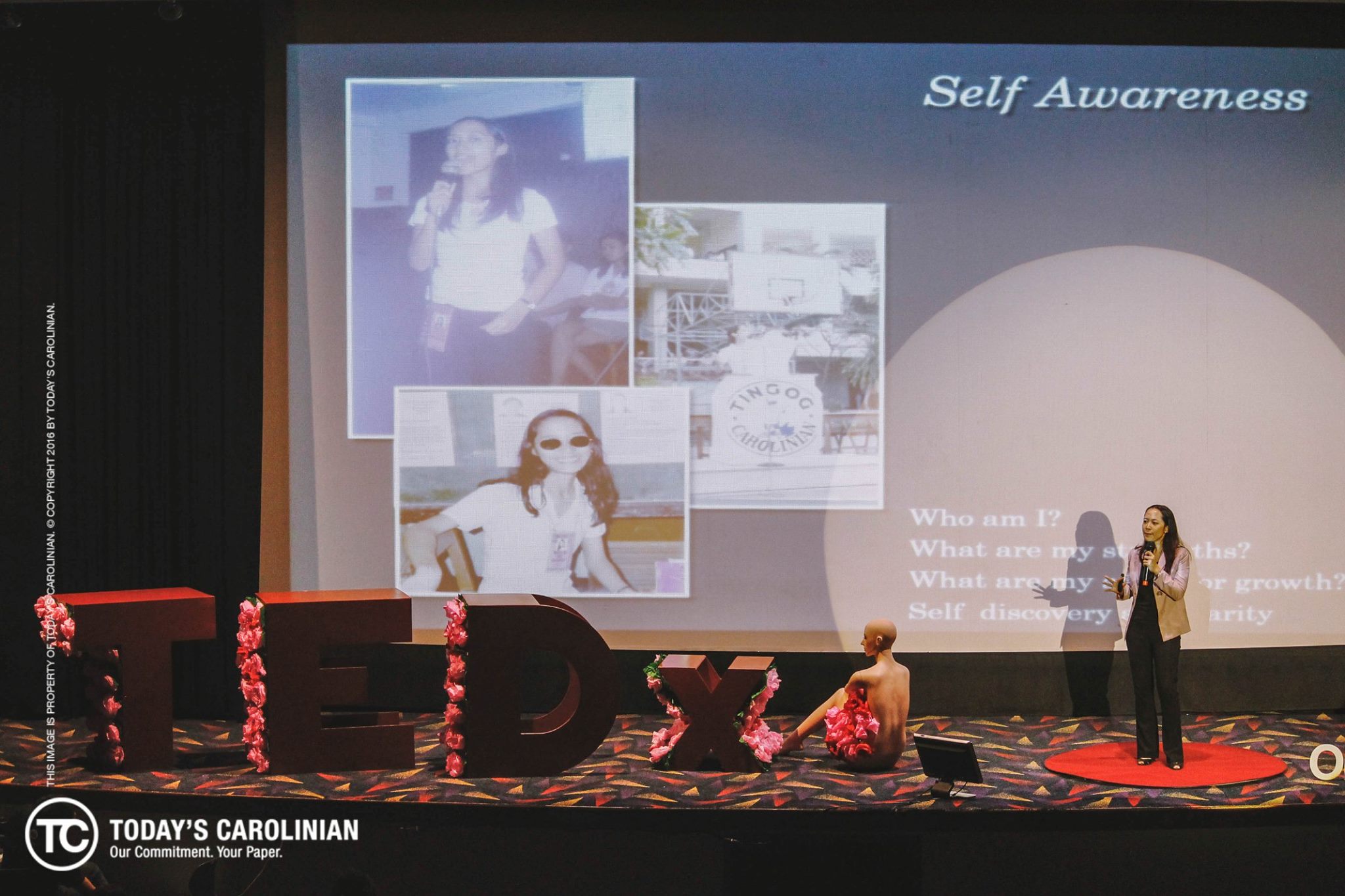
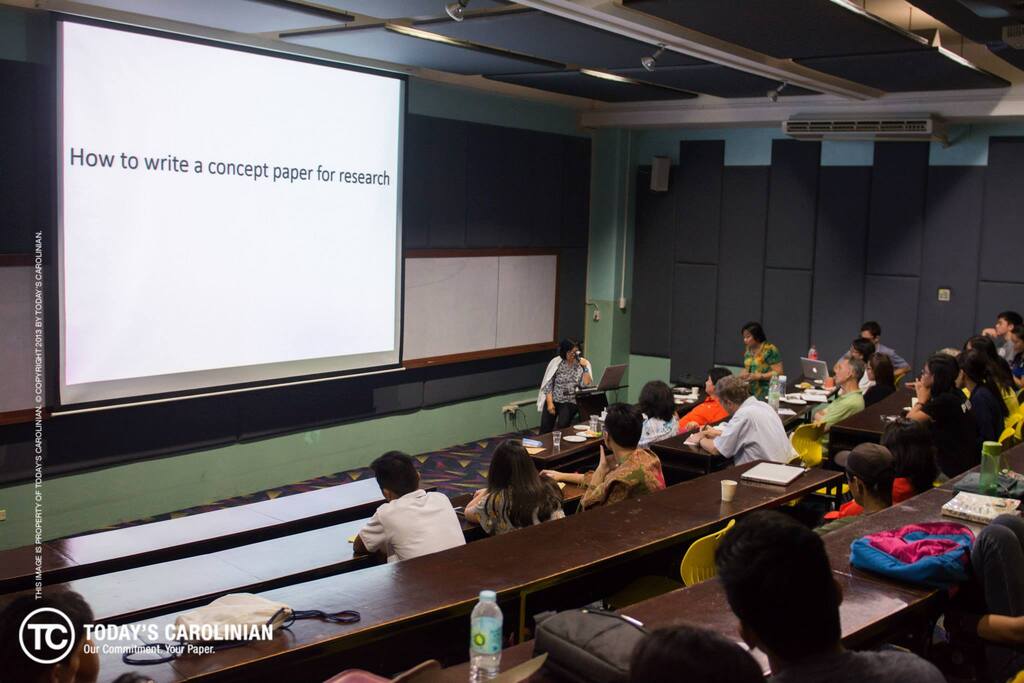
The First General Education and Mission Symposium was conducted by the Department of General Education and Mission (DGEM) on March 26, 2019. The symposium further improved and developed the general education curriculum for the incoming freshmen. The event was held from 9 a.m. to 3 p.m. at Rigney Hall with the theme: Crafting GenEd Free Elective Mechanics and Stranding PUREMACS and Mission.
The program commenced with welcome remarks from the Vice President of Academic Affairs, Fr. Aleksander Gaut, SVD, PhD. He articulated that free elective courses have three critical objectives. The first is to further enhance the academic undertakings of the respective areas of specialization of students. Second, it should strive to become multidisciplinary and holistic. Lastly, it must be appropriately delivered to the students through effective mechanics and processes.
The Dean of the School of Arts and Sciences, Dr. Delia B. Belleza, gave a brief talk on the state of DGEM. She emphasized that free elective courses are meant to add perspectives beyond the academic disciplines and borders of students. Meanwhile, the rationale of the symposium was given by Dr. Elizabeth M. Remedio, the Chair of DGEM. She explained that structuring a good general education curriculum is always a learning experience and constantly fixing loose ends. “We can only hope for a smooth and easy transition during this adjustment period,” said Dr. Remedio.
The first workshop was centered on formulating and drafting GenEd free elective course titles, course description, course code, and team selection. The deliverables of the workshop include a matrix on intended learning outcomes, teaching learning activities, task assessment, proposed reference materials, and prospective teachers of the corresponding free elective courses. Where, the proposed courses must also be responsive to the 17 Sustainable Development Goals.
The second workshop was a discussion on GenEd Free Elective Mechanics presented by Engr. Ferolin, PhD. The aim of course programming was to draft 100 course titles with 30-50 authors in a team of 2-4 teachers each title. Likewise, course population was to be determined through the average number of teachers per proposed free elective course. Course ownership was to be determined through faculty availability, campus or location, schedule, and the like. The event concluded with the closing remarks given by Ms. Grace Magalzo-Bualat, MPS.