Gabii sa Kabilin 2015: Looking Back to the Past
Photo by Angelo Nico Daroy
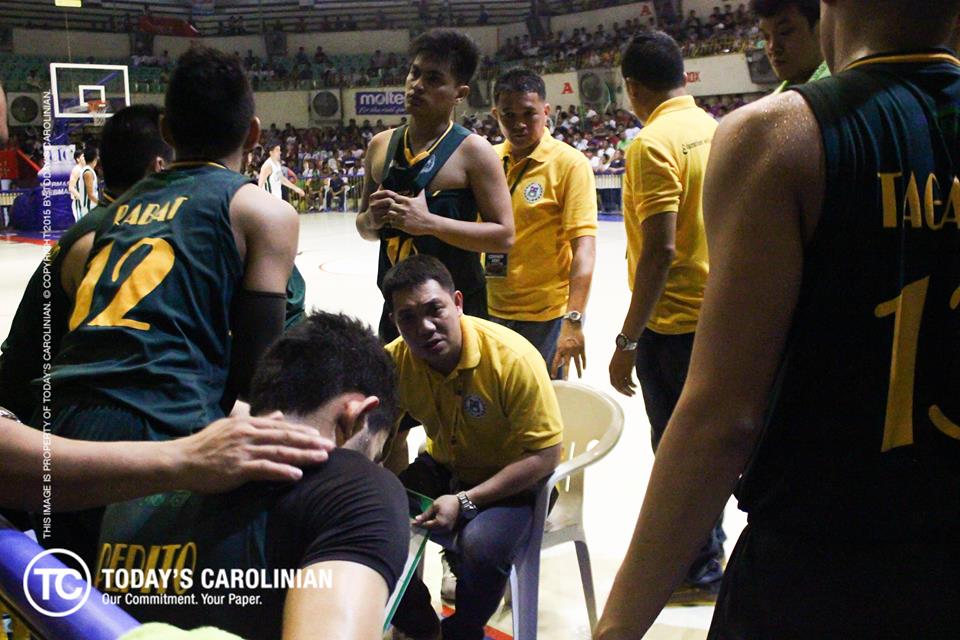
For one night, guests get to experience varieties of cultural shows, contests, art fairs, cultural activities and food fairs, but the highlight of that one night is to visit the different museums and heritage sites in Cebu. It is not like any other day where one just visits these historical places, what makes it different and special are the different cultural activities and presentations in store for the guests. This all happens in the beautiful, cultural night – Gabii sa Kabilin.
Gabii sa Kabilin or Night of Heritage is an annual event organized by the Ramon Aboitiz Foundation Inc., with the support of both public and private sectors, that is celebrated every last Friday of May in order to commemorate the Philippine National Heritage Month and International Museum Day. This event is an adaption of Lange Nacht der Museen or Long Night of the Night Museums from Germany, where it is being participated by more than 120 cities in Europe and South America. The first Gabii sa Kabilin was launched in 2007 where the event started off with only three museums – Casa Gorordo Museum, Cathedral Museum of Cebu and Basilica del Santo Nino Musem —and one heritage site – Fort San Pedro. As the years went by, the more museums and heritage sites were added to the list, and this year’s event was able to get 37 participating sites.
The ninth Gabii sa Kabilin was held last Friday starting at 6:00PM. This year, destinations located in Cebu, Talisay, Mandaue and Lapu-Lapu were featured for public viewing until midnight. For guests to travel from one destination to the other, they were given the privilege to ride city buses and horse-drawn carriages.
Each of the 37 museums or heritage sites, besides from being a public building, are old universities, an arts or culture building, port and commercial establishments or religious structures. One of the notable sites featured in this year’s event are Museo de Sugbu, Casa Gorordo Museum, Plaza Indenpendencia, and Fort San Pedro, which were established back in the early days. Not all of these sites featured just Filipino culture, Fo Guang Shan Chu Un Temple, a Buddhist temple located in V. Rama, had the guests experience Buddhist culture with activities such as Buddha Bathing, a tea ceremony, Chinese calligraphy and witnessing the Siddharta Musical Excerpt and Chinese Cultural Presentation.
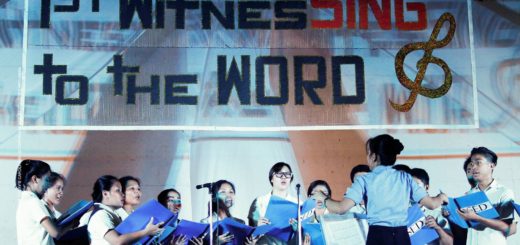
Gabii sa Kabilin is also not all about visiting the museum and learning about its history on how it was formed, but there were other sites that featured its impact on the Cebuano culture. On craft, ANTHILL Fabric Gallery is an example of a social and cultural enterprise that showcased Filipino hand-loomed fabrics where they had a midnight craft fair during the event. On music, musical numbers were presented in Fort San Pedro, Jose R. Gullas Halad Museum and San Nicholas de Tolentino Parish Church. On food, Museo Parian, Plaza Parian and Mandaue City Heritage Plaza presented different food festivals, food tasting activities and cooking demos.
Sadly, all sites closed at midnight, and buses stopped offering their services, but Museo de Sugbu still accepted guests for a few more minutes. The museum received positive feedback, as it is not only the biggest museum in Cebu, but every room holds an exhibit that has a story to tell. One of the famous exhibit rooms in Museo de Sugbu is the President Exhibit Room, a walk-in exhibit where all the pictures of the past presidents are posted on the wall alongside with their story and contribution to the country.
This event is a huge impact to the Cebuano community because it allows an increase in the awareness of Cebuano culture and heritage through fun and cultural activities. People get to write and blog about the event, due to it being a unique event in Cebu. Hopefully, this will cause the event to be more notable on social media, and it will help people become more aware of past, cultural practices and past, historical significant events.
Gabii sa Kabilin was not a race to travel from Cebu to Talisay and back just to visit all the 37 sites, but it allowed people to take it slow and breathe in and experience the culture through activities, shows and tours. Through the museum and heritage site tours, tartanilla rides, and exquisite cultural shows, it was a night spent well, a night that had people looking back at the past.