Carolinians Join Human Security and The Responsibility to Protect (R2P) Forum
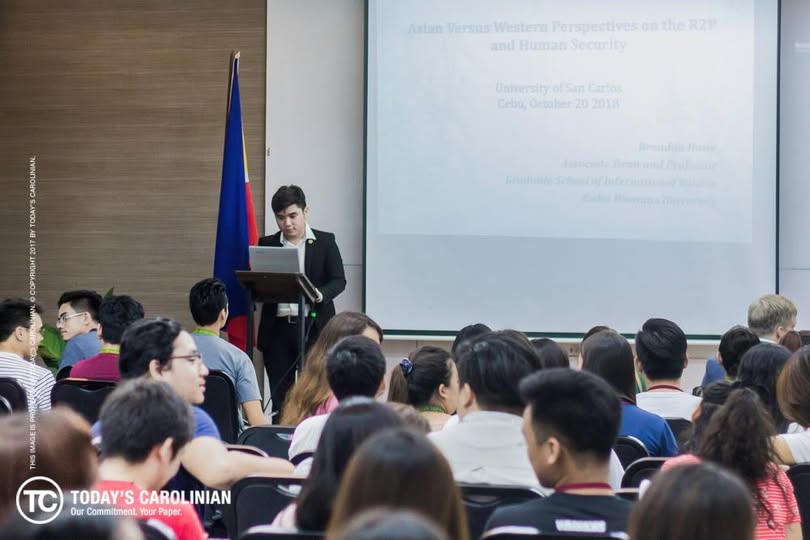
Photo by Jhessa Ugdamina
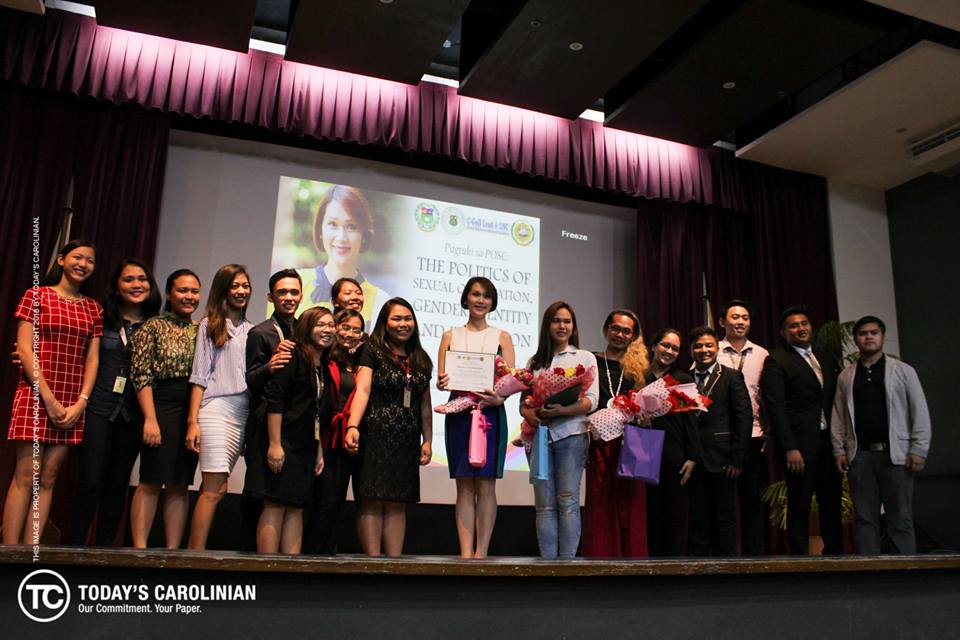
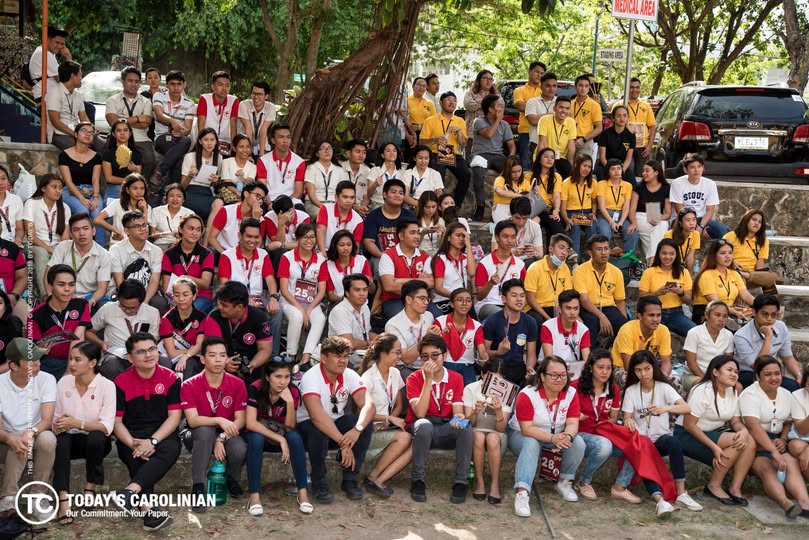
Carolinians participated in a three-hour forum entitled “Asian Versus Western Perspective on Human Security and The R2P” held on Oct. 20, 2018 at the Dingman Hall of the University of San Carlos Downtown Campus.
The forum was organized to inform and educate the youth about the different perspectives between Asian and Western countries regarding the issues of international humanitarian intervention on human security and the ‘Responsibility to Protect’ doctrine.
Political Science department chair, Brenette L. Abrenica, gave her opening remarks by delivering a rationale of the topic and welcomed Dr. Brendan Howe, the speaker of the forum. Howe is the Associate Dean and a professor of the Graduate School of International Studies in Ewha Womans University at Seoul, South Korea.
Dr. Howe defined human security as a concept that gives precedence to the protection of human beings as opposed to a statist perspective that prioritizes more on the security of the state, also, under human security are the three pillars, namely, human rights, security and development. From these pillars are where we derive the different interpretations of the term between Asian and Western countries.
The speaker had given Canada and Japan as examples to represent the two contrasting perspectives. The former regards human security as the protection from threats to human rights, safety and life, which emphasizes freedom from fear. The latter draws more on the pillar of development to which they focus on economic security rooting from their experience of poverty and political instability—this perspective highlights the freedom from want. Dr. Howe stated that the concept of human security should have the balance between freedom from fear and freedom from want.
Dr. Howe then explained that the Responsibility to Protect is a principle of guidelines for the international community of states that imposes the state to take responsibility in protecting its people. The International Commission on Intervention and State Sovereignty underlines that international humanitarian intervention is valid when states fail to protect individuals from genocide, ethnic cleansing, war crimes and crimes against humanity. The speaker gave the issues in Myanmar, cyclone Nargis and Rohingya as examples of where humanitarian intervention is advised, however, these states tend to reject them.
Atty. Archill Nina Faller-Capistrano delivered the closing remarks in which she encouraged the youth to use their voices as tools for national issues such as the violation of human rights not being recognized as an international matter where humanitarian intervention is due.
When asked about his expected outcome after the forum, Dr. Howe said, “I expect these students to be active in their engagement with both domestic and international political issues and have more ownership of human security in practice. Yes, you are students, but I expect you to be active and not just recipients of learning.”