Who is Jose Rizal’s Unsung Hero?
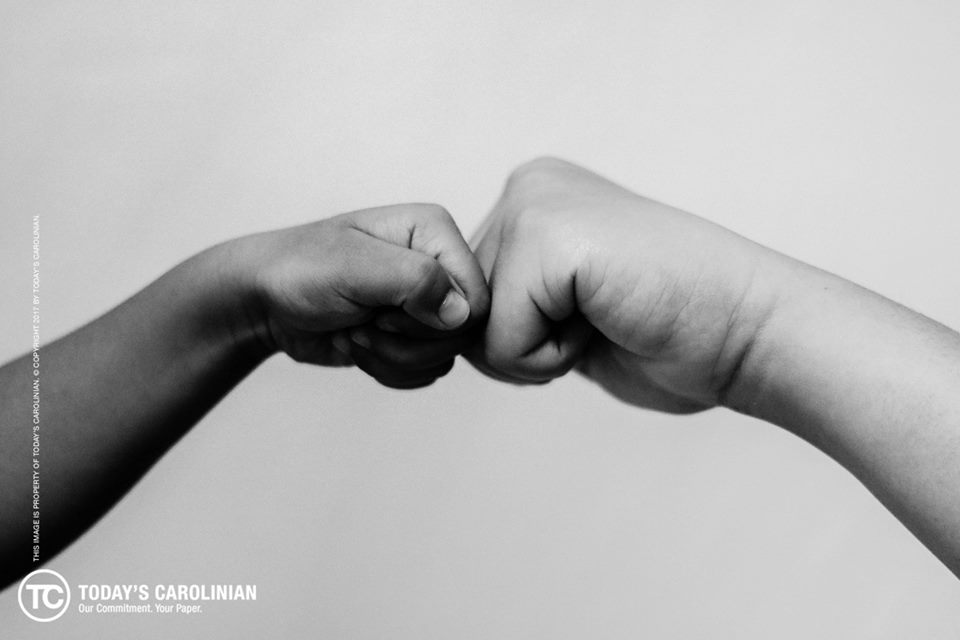
Photo by Eloise Yuson Diaz
Jose Protacio Rizal Mercado y Alonso Realonda. His name is one our history teachers force us to repeat until it is stuck in our minds forever. His name is mentioned countless times in novels, history books, encyclopedias, websites and even movies. The Philippines never fails to recognize its most publicized hero.
We know his story all too well. Jose Rizal, our national hero from Calamba, Laguna, was a gifted writer-slash-doctor-slash-playboy-slash-nationalist who wrote satiric novels and poems against the Spanish authorities, such as Noli Mi Tangere and El Filibusterismo, enticing the Filipinos to fight for their independence. Because of his longing for freedom and his love for our country, he died at the hands of ruthless Spaniards on December 30, 1896.
But how well do we really know him? What more do we know of his history, his background, his family? Like some of us, our dearest national hero had lesser-known siblings — nine sisters and a brother, in fact. His siblings may not have shared the same spotlight as him, but each of them were successful in their own right. Rizal’s greatest influence, for example, was his older brother Paciano.
Paciano Rizal successfully served as Jose’s guardian and hero. He was the second of eleven children in the family of Don Francisco Mercado and Doña Teodora Alonso, of which Jose was the youngest. Born on March 7, 1851 in Calamba, Laguna, Señor Paciano studied at the College of San Jose in Manila and grew up to become a farmer and a general of the Philippine Revolution.
Señor Paciano worked closely with his teacher, Dr. Jose Burgos, a dignified Filipino priest, and with other Filipino priests such as Mariano Gomez and Jacinto Zamora. Growing up, he was exposed to the abuses of the Spanish friars and authorities. Together, they fought for the rights of Filipino farmers and priests, only to have the three priests, dubbed the Gomburza, accused of stirring up the Cavite mutiny. They met their fate in Bagumbayan on February 17, 1872 by means of garrote, a form of mechanical strangulation. Because of his strong connection with them and his denunciation of the abuses and injustice against the Filipinos, Paciano was prevented from taking his final examinations. He then encouraged Jose to go by the surname Rizal for his own safety.
The two brothers shared a passionate bond. Paciano was the one who took Jose to Biñan under the tutelage of Justiniano Aquino Cruz, who was once his teacher. He also accompanied him to his exam at the College of San Juan de Letran in 1872 and later at the Ateneo Municipal. In picking a course during Jose’s tertiary year at the University of Santo Tomas (UST), Paciano discouraged him from pursuing law since he considered being a lawyer problematic.
In 1882, Filipino students at UST faced discrimination by the Dominican professors. Thus, the two made a secret pact to send Jose to Spain while Paciano looked after their parents. From time to time, Paciano would send his brother letters and financial support. In 1885, Jose received a letter from him, convincing him not to return to the Philippines yet since it would be dangerous. When Jose returned home two years after, Paciano never left him a few days after his arrival. Their last moments together were in 1891, when Paciano escaped persecution and joined Jose in Hong Kong. When Jose was prosecuted, he chose to sacrifice himself and be tortured.
After Jose’s execution, Paciano joined the Katipunan, a society originally formed by Andres Bonifacio and later led by General Emilio Aguinaldo. He was appointed as general of the revolutionary forces and was said to have also served as the secretary of finance in the Department Government of Central Luzon. During his assignment as a revolutionary commander in Laguna, it was said that he decreed the order to have fireworks used to make the Spaniards believe the Katipuneros were heavily armed; this resulted in their surrender.
In his later years, Paciano declined Governor William Howard Taft’s offer to an important government position and instead chose the peaceful life and became a farmer. In 1907, he again politely declined an offer of a life pension of PHP 200 for his mother, in defiance of a resolution passed by the Philippine Assembly, and declared he was responsible for her. He never married but had a daughter named Emiliana and died of tuberculosis at the age of 79 in Los Baños.
The life of Paciano Rizal indeed exemplifies the strong relationship between siblings and the importance of loyalty and unity in the family. It shows how he is, in many ways, Jose Rizal’s unsung hero.