Change
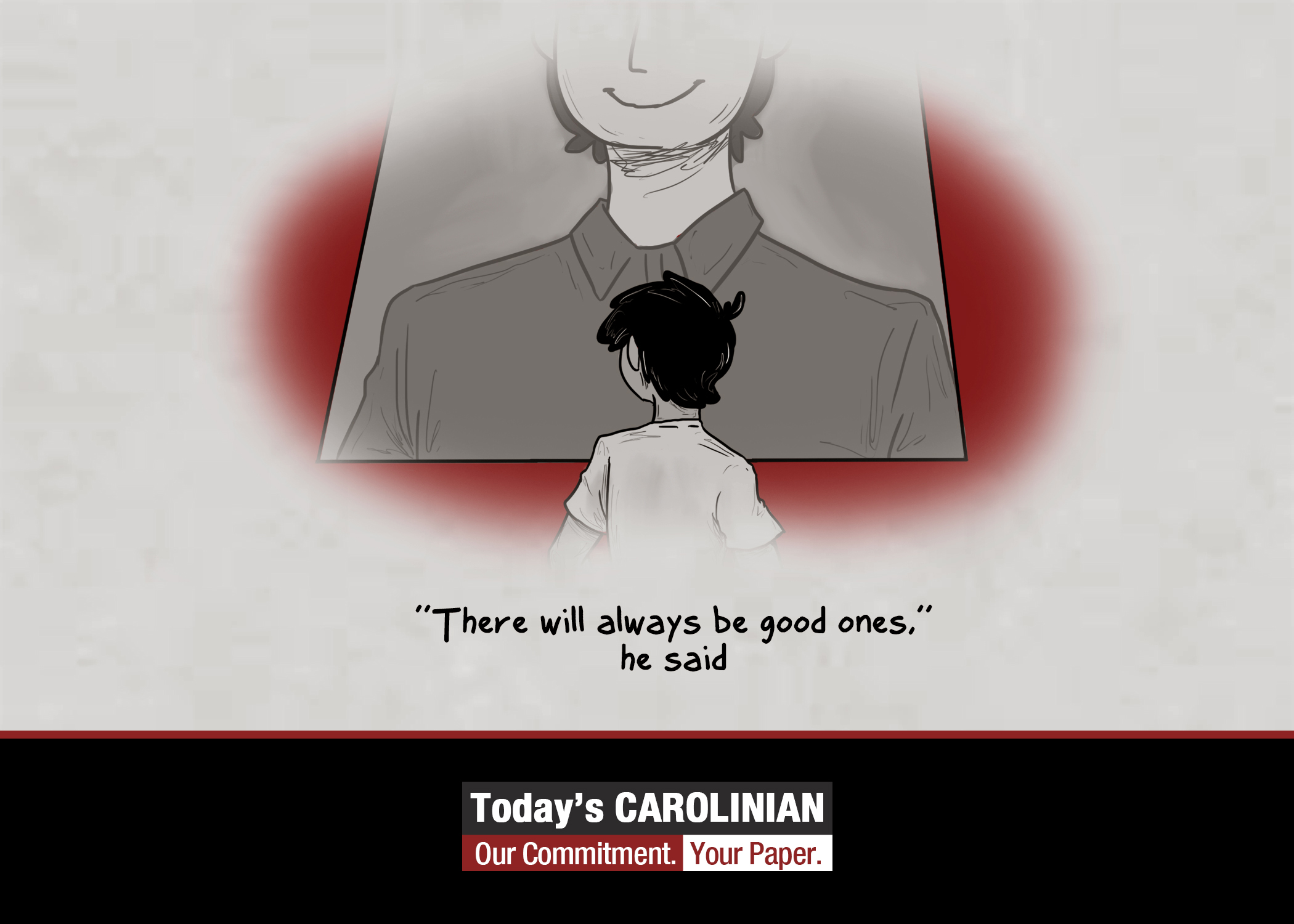
Illustration by Charlene Grace Tan
“Why are ate and kuya’s faces all over the school?”
I look at my son, only to see his eyebrows scrunched up in wonder.
“I mean, there are posters with their pictures by the lobby, by the stairs, by the canteen — everywhere!”
I am about to tell a joke — that maybe it is because I passed on my good genes — but the stern look on his face surprises me. I start with the word politics, making him tilt his head as he grows more confused by the second. How do I explain to a child the complex system that is run by power?
I try to start over again by asking him why he and his classmates talk more about the older kids at school than about their own peers.
“Well, for starters, they are popular. I don’t even know why they’re popular. All I know is that the teachers probably like them better and that they pretend to know everything,” he answers.
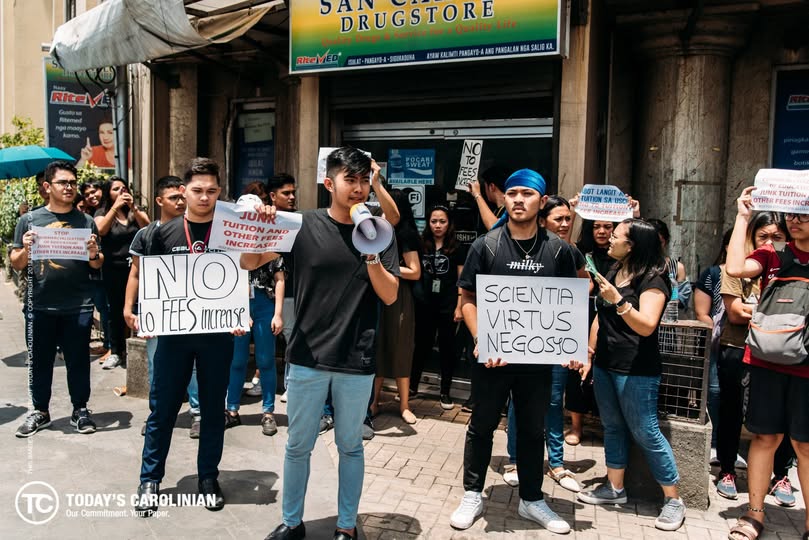
I tell him that politicians are the people who are in politics, and that if you compare it, the older kids are just like politicians. I also tell him that his ate and kuya are student leaders — politicians in the making.
“Your ate and kuya want to serve the students in your school, and popularity comes with that,” I say.
He nods earnestly, but then asks, “Are ate and kuya bad, then? Just like the older kids who look down on some of my classmates and take their lunch?”
I tell him no, that there is never only that kind of student leaders, “the thing is, just like the older kids that you know, some student leaders only want the fame and power that comes with the title. Just like the older kids, they use the power that they have for personal gain. They become too proud of themselves, forgetting they should use their position to spark change — something that would not benefit only themselves.”
My son looks confused again, — his young mind not able to comprehend how ruthless selfishness can be. He asks me how to discern the good ones from the bad ones, and I tell him that we never can. He looks down, whispering, “So how do we know that not all of them are bad?”
I chuckle and kneel down beside him. There will always be good ones, I tell him. Evil coexists with good, for we would not know what good is without knowing what evil is first.
I tell him that as much as how some people thirst for power, there are people who rise above, who strive to make the world a better place; there are people who decide to impact the world by showing it that a person can never give too much.
My son’s eyes shine bright as I finish. “I am sure ate and kuya are one of the people with good intentions, then,” he says.
“And how does that make you feel?” I ask.
“It makes me feel better. And it makes me want to be one of the good ones,” he says, smiling widely and running off to do what kids nowadays do — or to make a change.