Labor Day

Labor Day usually lands on the 1st of May but, other times, it falls on the Monday of the first week of May. Besides being a non-working holiday, this day commemorates a very important part of Philippine history.
The first Labor Day celebration in the Philippines happened on May 1, 1903 when the country was under the hold of the Americans. Many from the labor sector were complaining about the unpleasant working conditions. A year before, the Union Obero Democratica de Filipinas (UODF)was founded by Isabelo delos Reyes and Herminigildo Cruz on February 2. With the desire of promoting better working conditions and the well-being of the labor sector in mind, approximately a hundred thousand workers marched to Malacañang the following year with UODF as its leader. The demonstration was held in front of the palace, demanding that the government should be just and fair with the labor sector.
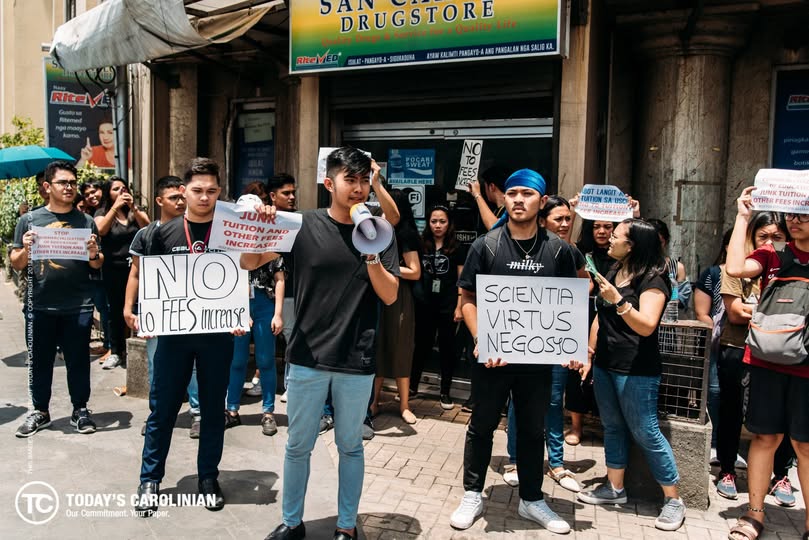
A few weeks later, the president of UODF, Dr. Dominador Gonzales, was raided at the printing press of UODF by the American colonial government after the said demonstration at Malacañang. Gonzales was charged with sedition and illegal assembly. In 1908, the first day of May was officially made a non-working holiday. Since then, people who belong to the labor force commemorate this day through demonstrations. These people continually fight for their rights and for better working conditions.
The labor force plays a very important role for the country. The economy is a big factor in planning and determining the development of the country, and with that, the labor sector should not be overlooked. Our economics classes have explained the importance and the process of how the labor force contributes to the economy as well as providing employment for citizens.
Year after year, the poverty, literacy, and employment and unemployment rates are among the many statistical reports that most citizens are concerned of. People tend to overlook the results regarding employment and unemployment. The results of the other reports depend on the employment rate. Employment ensures chances of sustenance for individuals and their families.
With this in mind, we also have to take into consideration the working conditions these people are in. Employers are expected to provide good working conditions for its employee to work better but various protests have ensued and protests would not have occurred in the first place if only the workers were treated humanely. The Department of Labor and Employment (DOLE) of the Philippines has produced copies of the Labor Code available for every employer and employee to follow. As well as sets of conditions and rules that protect the workers benefit and are entitlements. The Labor Code is composed of seven books containing pre-employment, and transitory and final provisions.
DOLE also provides a list of the daily minimum wage rates for every region in the country. In Cebu City, the minimum wage of a non-agricultural worker is P340.00; P290.00 for agricultural workers; and P310.00 for sugar millers. How accurate are these numbers today? An average Filipino family may need more than the mentioned amounts to survive a day. All the more for those who are currently below the poverty line. People are actually earning less than the minimum wage and with the costs of living going up, sustainability will be difficult to achieve.
Despite the fact that there is a law regarding these things, illegal employment, forced labor, unjust wages, impossible working conditions and other problems persist. A heartbreaking fact is that child labor and prostitution is just as rampant as it was before. There are children who are supposed to be enjoying their childhood but are working just to survive day-to-day.
One must always remember to see workers as human. Workers are not commodities to be exploited. Workers are not machines that can go on for long periods of time without getting tired. Workers are humans who need rest to maintain their health.
The number of working hours was a major concern before. Back then, people worked for more than ten hours without rest and with little food. But with these demonstrations and protests, the number of hours was reduced. Currently, the number of working hours for any employee is eight. Exceeding eight hours is considered overtime and is compensated accordingly. People who have night shifts have their own way of compensation as well. Time for meals and rest is allotted in between working hours. DOLE’s Labor Code existence assures that every worker is being treated fairly.
The rest of us may feel that Labor Day is just another holiday but this holiday is bathed in history. This day the working sector remembers the struggles that brought about better conditions and hopes for even better ones in the near future. It is a day of rest and of longer weekends; a day’s efforts are rewarded doubly. This is very common especially for those who work in the city and who just want to take a short break from the hustle and bustle of it all. This holiday pretty much serves its purpose. Everyone needs a break at least once in a while.
With that said, let us keep in mind that the labor force can be considered as the lifeblood of the economy. Without these farmers that run our agriculture, these bankers that handle our finances and even the jeepney and taxi drivers that take us to our destinations, our city will never be the functioning metropolis that it is. Today is their day.
Happy Labor Day!