Unwrapping the Winter Celebration

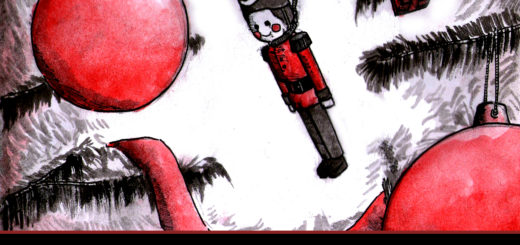
Illustration by Jan Joshua Velasco
Winter solstice strikes again, and the usual lingering spirit of Christmas roams around after a one whole year of deep slumber. Few months back, ber-months have started as lanterns were hanged up in our households, and lighting up our Christmas trees, below which where we expect our gifts that has our names on it written with crooked hand writing. Yet, as we continue to celebrate this annual celebration of the birth of Christ, little did we know that this season originated from various pagan holidays that have been passed down from generations up to this day. Now, is the 25th of December, the birthday of Jesus himself?
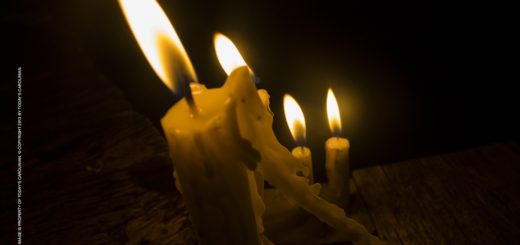
As an ancient holiday, the middle of winter has been a season for celebration for long even prior to the birth of Jesus, where the early Europeans celebrate the warm lights of fire in the middle of the darkness and hail-storm wrath of winter. In Scandinavia, the Norse celebrated the Yule during December 21st until the month of January. During this time, fathers and sons would bring home large hogs as a form of sacrifice, and put it on fire as a form of recognition for the return of the sun, until then, they wait for the log to totally burn that will last for about 12 days. Jesus’ exact birth date, as reason for our celebration of the season is still nowhere to be found.
Adding up to the pagan origin of Christmas, in Rome, the celebration of Saturnalia—a holiday in honour of Saturn is an event where peasants become masters for the whole time of winter solstice. Moreover, in Germany people honoured the Norse God – Oden as they believed he made nocturnal flights through the sky to observe his people, and then decide who would prosper or perish. Thus, Mr Santa Claus and his 8 reindeers came to life. However, the history of its pagan origin remains the same, and the traditions of today is what have changed.
Jumping to a different time frame, Christmas has been the time of the year where we get those tingling excitements as we see those golden wrapped boxes, and fresh from the bank papers right in front of our visions. It has been the time where our parents save up for the whole year, and uneconomically spend once the 13th month pay arrives; where we place the ornaments we have kept in the darkest alley of our house, and get it out to dress up the hunching green tree.
Christmas, the time of the year where they say that it is the season for all. From the old ones sitting on the racking chair to the children in the dumpsites, having the chills of the night to replenish their hunger during noche buena.
Christmas, the moment where we get so elated for our relatives abroad to come home, and unbox those iPhones from its cases, and say thank you just to feel the season’s spirit at least for once.
Christmas, where the spirit of joy and forgiveness is prevalent, yet we close our doors and windows once the carollers start their versions of Holy Night.
Christmas, where we attempt to join outreach programs, just to give back to the community and the marginalized, and say we are blessed, even if we do not intend to do so.
By tradition, it has always been the usual – opening of gifts, hanging decors with greens, reds, and golds around our humble abodes, attending midnight masses for 12 straight nights, and the sumptuous noche buena that we are all waiting for once the midnight strikes. It has always been like this, joyous, blissful, and a night full of forgiveness. Christmas as we all believe is the celebration of the birth of Jesus Christ during the 25th of the last month of the year. After all, who would give time to dig into the past, and learn the origins of Christmas these days?
But now, the new Christmas has its own pagan origin, and we live by it.