A Timeless Tradition
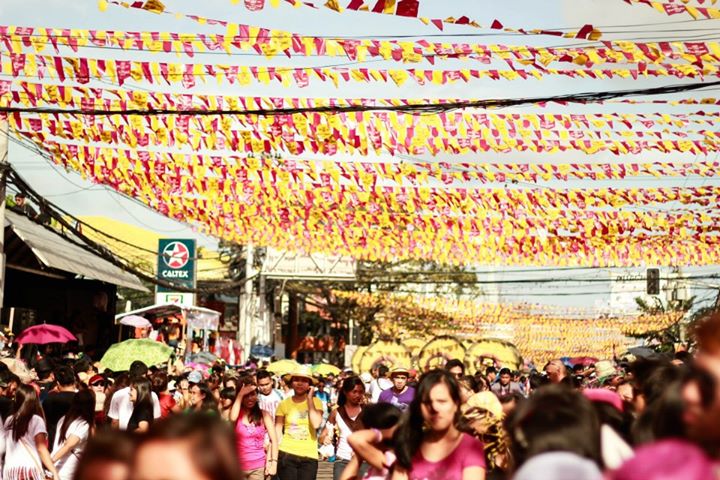
The third Sunday of January for the world is a completely typical day except for the island of Cebu. If you’re a true-blue Cebuano, you’d have been buzzing about Sinulog since the first turn of the New Year. The Sinulog mardi gras is one of the most awaited festivals of the city. It is the celebration of the miraculous image of the Child Jesus, Santo Niño.
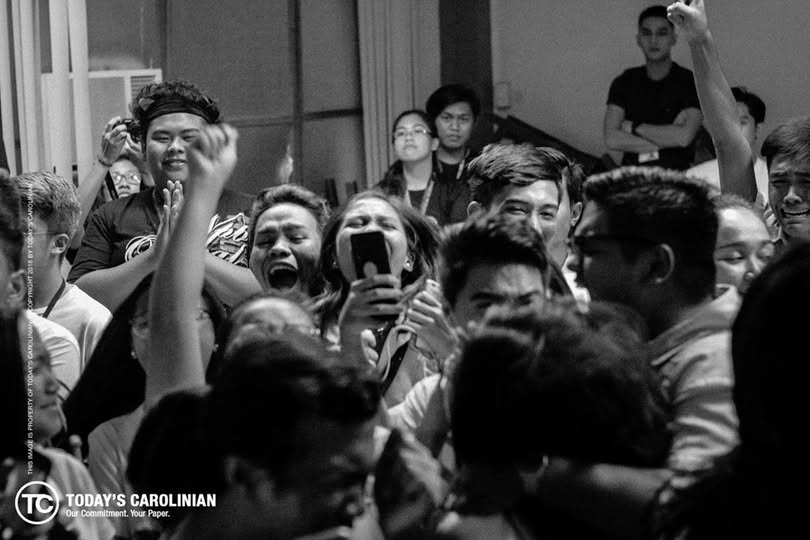
The term Sinulog originates from the word ‘sulog’ which refers to the current or movement of the water. This ‘sulog’ is the dance movement used in the Sinulog dance ritual and is accompanied by the sound of the drums and different instruments to keep the colorful and upbeat vibes of the festival. It’s a street celebration in the spirit of one beat, one dance– a sea of people, fists up and screaming, “VIVA PIT SENYOR!” It is one of the sole reasons for tourists to come flooding in yearly.
But how well do we truly know of this Sinulog?
The image of the Child Jesus was brought by Ferdinand Magellan and was given to the natives of Cebu as a sign of good will and friendship. Juan de Camus, of the conquest lead by Miguel Lopez de Legazpi, found the image of the Holy Child was kept by the natives despite driving out the Spaniards and killing Magellan. Years passed and the image was kept in Cebu until it was housed in what is now the Basilica Menor del Santo Niño. The Santo Niño has since then been kept as both religious and historic icon, representative of the coming of Catholic Christianity to the islands and the culture and history of the Cebuano people through history and the present.
The festivities start with the opening salvo and the nine days novena in preparation for the feast day. Three days before Sinulog, the image of the Santo Niño is brought along with the image of Our Lady of Guadalupe de Cebu, the patroness of Cebu to the Saint Joseph Parish in Mandaue in an event called the Translacion. Come Saturday morning, the two images are then placed on boats for the fluvial (or water) procession, back to the Basilica where a reenactment of the first baptism in the Archipelago and a Mass will be held. In the afternoon, a solemn procession of the image of the Santo Niño is taken up by the masses. The day after will be the Sinulog Festival proper, where the main cultural festivities occur, especially the grand parade. The Sinulog festival officially ends, five days after the Sinulog Sunday with the ‘Hubo’ ritual, where the image’s vestments are changed.
While the religious festivities continue to draw devotees, especially during the Third Sunday of January, the set date for the Sinulog Festival, the cultural aspect has developed into a commercial and tourist attraction.
What we see today is a far more commercialized Sinulog. The dance ritual opened its doors to a boost in Philippine tourism, however, though this might seem like a good run for the country, Sinulog’s commercialization has lead the people to forget the true essence of the celebration. Today we would see tons of people out on the streets for the by the endless parties, discounts, celebrities, and drinks that come with Sinulog week.
Is this a true manifestation of genuine faith? The answer to this question lies within the confines of our reasoning as to how we see the festival and, perhaps, religion, as well. Whether we go out with candles in our hands and prayers in our minds or with cropped shirts, short shorts, and drinks in our hand, so long as our values are kept in line, that shouldn’t be a problem should it?