The Sound of Silence: Journalism is Dead
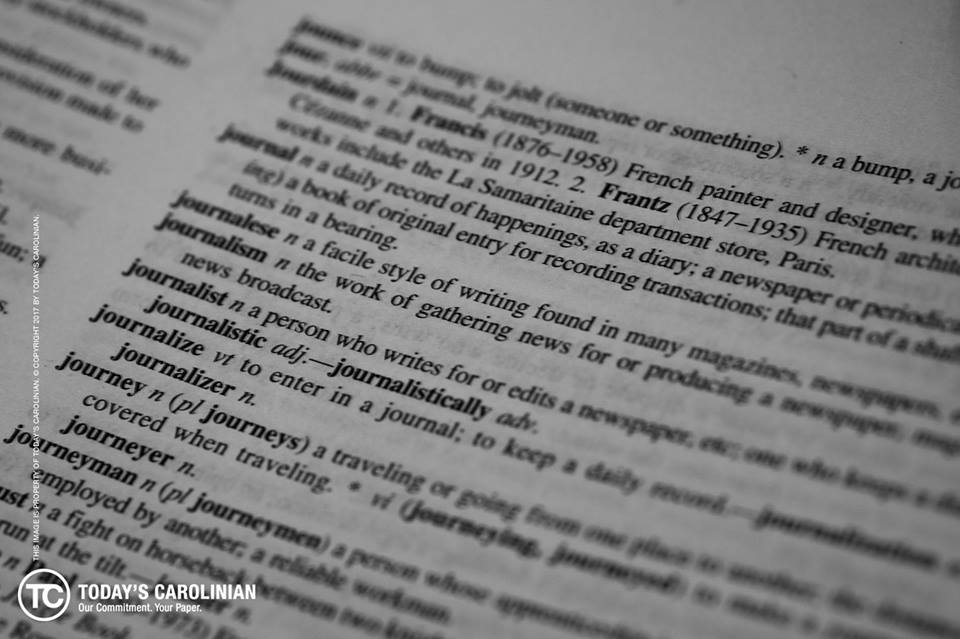
Photo by Carmelle Chua Gacasan
“Hello, darkness, my old friend,
I’ve come to talk with you again,
Because a vision softly creeping
Left its seeds while I was sleeping,
And the vision that was planted in my brain
Still remains,
Within the sound of silence.”
—Simon & Garfunkel, 1964
According to Reporters Without Borders, the Philippines ranks 138 out of 180 countries in the 2016 Press Freedom Index. With politicians employing personal militias that harm journalists, and the president encouraging harm on journalists with “no integrity,” we remain one of the most dangerous countries for journalists — and journalism in its entirety, for that matter.
However, with fewer recorded instances of injury on journalists in our country than in recent years, is physical harm truly the adversary of journalism?
Journalism is dead. We have killed it.
In the Philippines alone, we have managed to convert journalism into what former editor-in-chief of the now-defunct Gawker John Cook once proclaimed: “Part of our job is to make sure we’re writing about things that people are talking about on the internet, and the incentive structure of the company is organized to make sure that we are on top of things that are going viral.” Everyone becomes a journalist. Rumors, truths. Facts, exaggerated.
According to Craig Silverman from the Columbia Journalism School, five key practices can be singled out for why this is happening to journalism. The first is that information is passed on with little to no verification. This brings us to the second factor: Online journalism has become a platform for hoaxes and mistruth. Also, news outlets are inconsistent when it comes to follow-up reports after the initial coverage, and research for supporting details in columns and features is a step skipped by many journalists. Fourth, unverified claims are presented to readers as the truth, and the fifth factor is that many attribution formulations — which include “reported”, “alleged” and “claimed” — are widespread.
Expectedly, these five are rampant in the Philippines — both in official news outlets and rumormongers claiming to be so. With the advent of citizen journalism, journalism is made an excuse to propel our self-interests and fame, especially in this age of the neon lights of smartphones and computers. It is of no use to disclaim that we are not official journalists like what Mocha Uson does; as long as influence is present in what is shown in the media, it is a form of journalism.
For example, although Uson voicing out her opinions is admirable in her column, “Is CBCP anti-Christ?” many logical fallacies can be observed. First, a religious book is taken as a credible source for arguments when arguments should be based on logical concepts. Another thing is that arguments regarding red herrings are spread throughout the column. However, the gravest mistake is that The Philippine Star published this column with all its glaring faults.
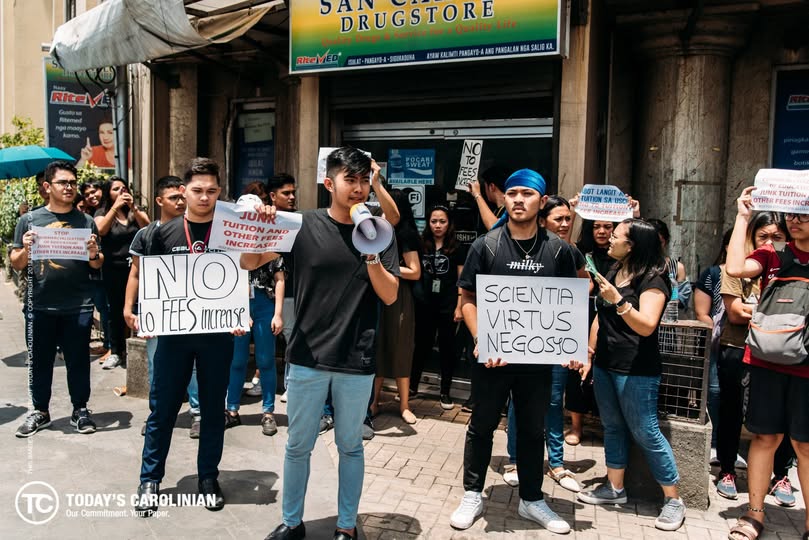
Then this is just one of many examples in recent times. We have had false reports of members of militant groups docking in Cordova, Cebu. We have seen feature articles romanticizing the struggles of people who were prepared to sow conflict among innocents in Bohol. We embrace reports that belittle USC students practicing their right to protest something they deem unjust.
Indeed, we have identified all these problems, yet we Filipinos allow them to be. We do not put value on the weight journalism holds; we put value on entertainment. We sacrifice the value of hard truths just to hear about our president eating the liver of rebels, about a former senator allegedly moaning in a sex tape, about everyone agreeing to everything we say.
In the midst of all this sensationalism, misinformation and disinformation in the Philippine media, we have forgotten the importance of critical thinking and objectivity in journalism. In all this noise, the truth is naught but the sound of silence. Yes, we have the freedom of expression, but even that has its own limits. We do not have the freedom of stupidity.
Journalism is dead, and we have killed it. Today is World Press Freedom Day. It is time to mourn.
“And the people bowed and prayed,
To the neon god they made,
And the sign flashed out its warning,
In the words that it was forming,
And the sign said, ‘The words of the prophets
Are written on the subway walls
And tenement halls,
And whispered in the sound of silence.’”