Pharmacy Students Learn First Aid
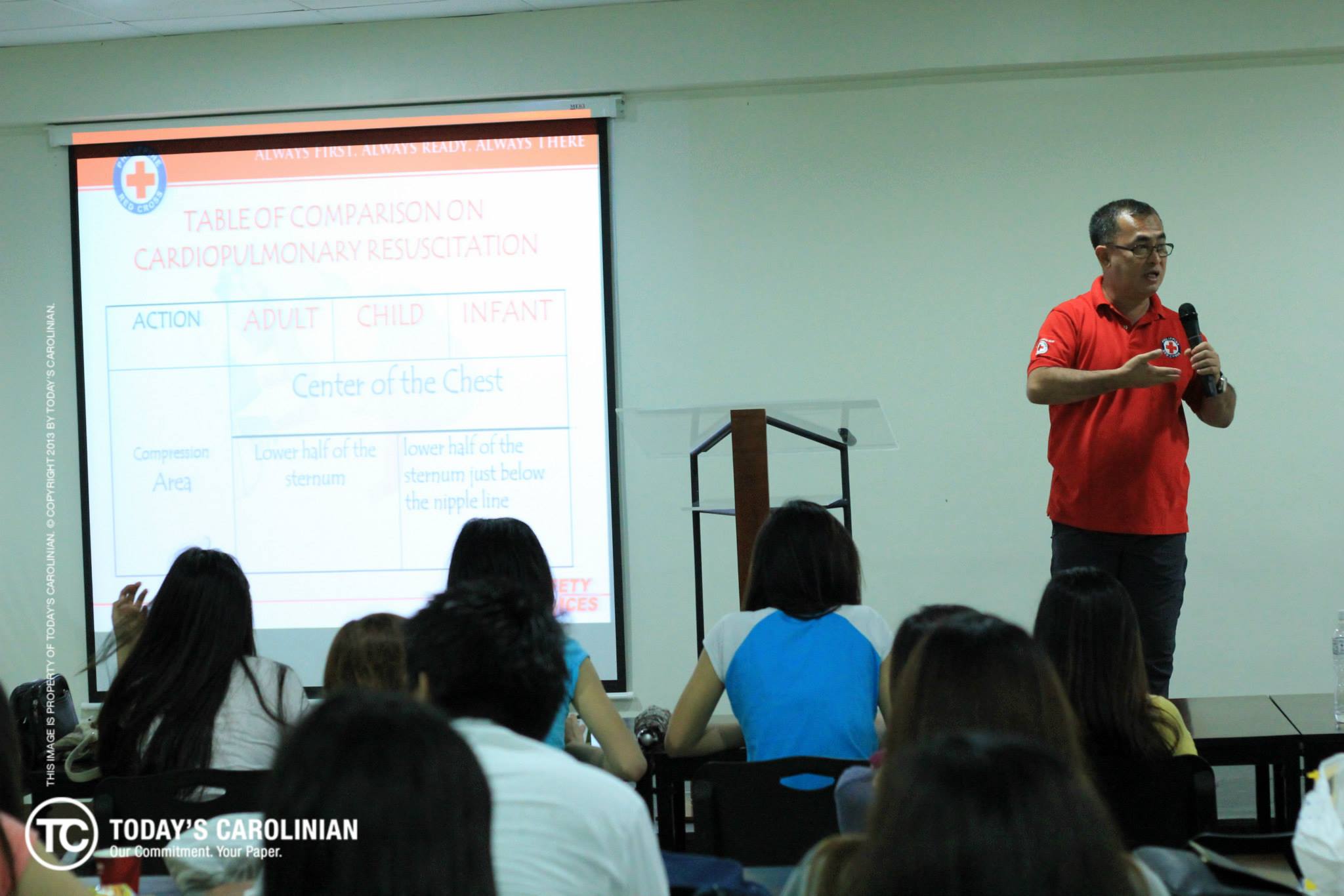
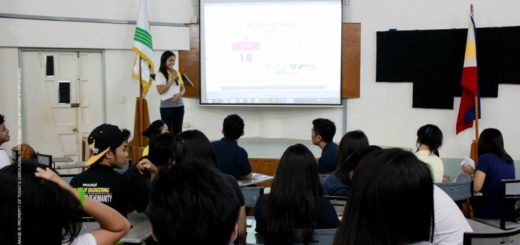
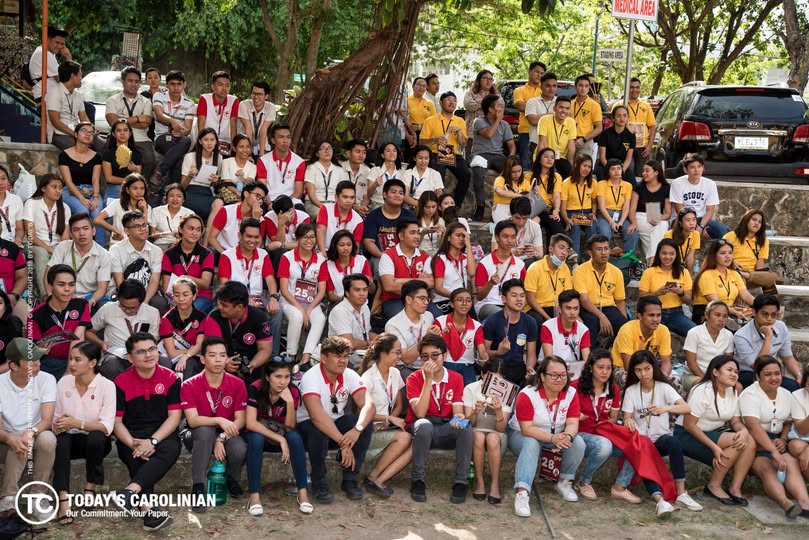
Last Oct. 11, fourth year Pharmacy students were given a training seminar on how to perform basic first aid procedures in instances of accidents and disasters.
“When is the right time to learn?” Mr. Santiago “Jong” Sinsuan III, first aid trainer from the Philippine Red Cross, asked the audience before he started the training. He believes that some deaths cannot be justified with the reason that it is “already their time.”
According to him, it is important for the Filipino people to always be ready and equipped with the necessary knowledge and skills to survive. From the World Risk Report in 2011, the Philippines ranks as the 3rd among 173 countries in terms of vulnerability to disaster risks and natural hazards. Cebuanos are adviced to be vigilant since a discovery from PhiVolcs showed three possible fault lines in Cebu last 2013.
The four objectives of first aid is to preserve life, prevent further harm and complications, seek immediate medical help and to provide reassurance. In line with the objectives, Mr. Jong emphasized the importance of knowing our local emergency numbers. One concern is that every city and municipality in Cebu have different emergency hotline numbers which makes it difficult for the public to commit to memory and only the local emergency response team would be contacted. Although there is an ongoing move to unify the emergency number in Cebu for easier communication with the available response teams.
The Philippine Red Cross stands by their four emergency action principles: scene size-up, primary assessment, activating medical help and secondary assessment. Before going into action, a rescuer has to check first the safety of the scene before he or she acts. According to Mr. Jong, the rescuers must first put their own safety before everyone else’s because they would not be able to help when they become victims themselves.
The rescuers are to know what happened and the number of casualties. In Primary Assessment, it is important to keep the victims alert and to remove anything that blocks their airways. In calling for help, it is important to specify the location of the accident and cite landmarks to avoid any confusion. It is also necessary to check the patient’s injury and inform the rescue team beforehand.
As part of the activity, Mr. Jong and a volunteer from Red Cross demonstrated tactics of removing any foreign object blocking the victim’s airways. They also taught the students on how to perform cardiopulmonary cesuscitation (CPR).
The activity was held at the exhibit room of the Joseph Baumgartner Learning Resource Center.