Plaza Independencia
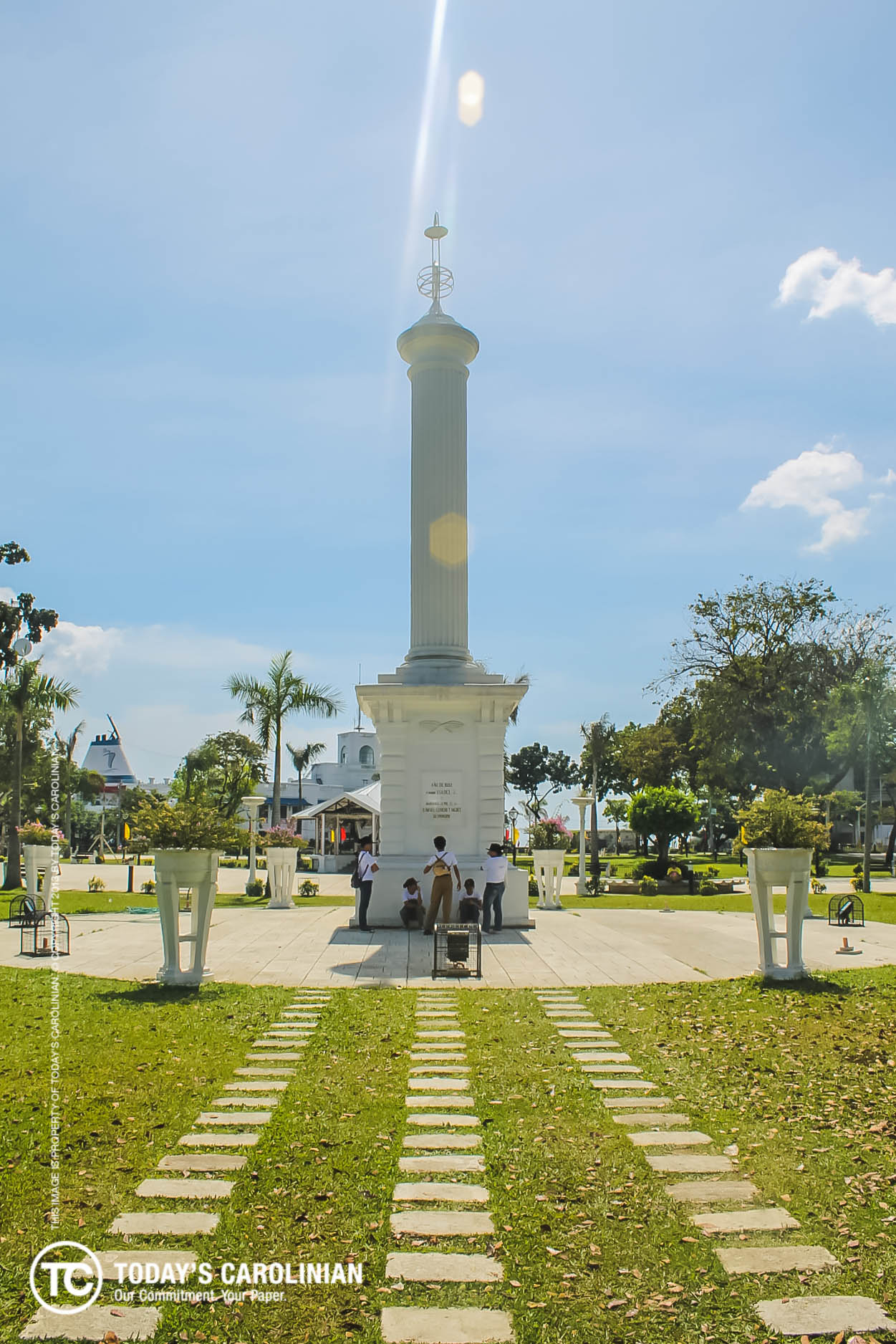
Photo by: Angelo Nico Daroy
Every step we take on those pavements is a story — a history that takes us back in its memory lane, with age-old acacia trees as its witness. Plaza Independencia, in itself, is a breathtaking scenery to complete one’s day.
Originally called Plaza de Armas in the 1600s, Plaza Independencia was a place for military training and ceremonies. However, it was renamed Plaza Mayor as a result of an expansion of the area including the properties of Cebu Metropolitan Cathedral. The ruling Spaniards, afterward, developed the place and named it in honor of then Queen Regent of Spain, thereby calling it Plaza Maria Cristina. During the American era, the name was changed to Plaza Libertad in commemoration of the blood and sweat that each Filipino endured to regain our freedom from the Spaniards. Finally, it became known as Plaza Independencia, in honor of our country’s independence from colonialism.
Plaza Independencia is located between two other famous landmarks: Fort San Pedro and Casa del Gobierno de Visayas. Since the area is situated near the Cebu port, information about pre-colonial trading port was retrieved from various excavations. Antonio Pigafetta, Ferdinand Magellan’s chronicler, in his book, The First Voyage Around the World, mentioned that merchants and ambassadors paid tribute to the King of Sugbu for the purpose of trading. These insights were much proven by excavations conducted by the University of San Carlos and the University of Michigan, wherein Ming Dynasty wares, centuries-old Thai ceramics and other pre-Hispanic artifacts were retrieved.
Thereafter, the Plaza Independencia had security and environmental management issues. It was not a place for families, school tours or lovers. Leisure and recreation was scarce in the plaza. At night, there were no lamps lighting up the place. Its name alone sparked fear among locals and foreigners since the area was a nesting ground for robbers and thieves. Ornamental plants served as hiding spots for lawbreakers to seize the moment and grab the advantage against their fellow citizen. There was also no apparent regulation on garbage control; people were irresponsibly throwing their trash everywhere, as properly labelled bins were not visible. In a nutshell, Plaza Independencia did not have a good reputation.
In an effort to prevent further destruction of the historical plaza, the Cebu City government temporarily closed the place in 2007 and started the renovation right after the completion of a tunnel project, which passed right under its grounds, last Nov. 28, 2010. When it re-opened last May 8, 2011, the plaza was no longer a cradle of criminals but rather a safe haven for families and tourists. With its almost four-century-old style site, Plaza Independencia was revamped with a modern design that responds to the transformative and economically competitive Cebu in terms of its local and foreign tourism.
At the very heart of the plaza lies the white obelisk of Miguel Lopez de Legazpi, who founded the first Spanish settlement on this site of Cebu City in April 1565. The plaza also holds the standing tall, bronze statue of the seventh president of the Philippines, Ramon Magsaysay. The odd-looking, v-shaped Veteran’s Memorial monument that faces the Philippine Port Authority building from the bay side area reminisces and relives the valor and heroism of each Filipino who fought in World War II. New benches are installed to accommodate tourists who want to have a relaxing sensation of the view and the fun-filled activities and events in the area. The landscaping of the plaza, with its additional carabao grass and palm trees other than the age-old acacia trees, makes us feel like we have travelled into another world, away from the hustle and bustle of the city. A fitted complement to that is the strict implementation of environmental pollution control. Properly labelled bins are vividly seen to encourage tourists to take part in the advocacy against global warming and pollution. Security guards can now also be seen patrolling the plaza. When the sun comes down, it seems like a blithesome night due to its lamp posts, flood lamps and lighted balls hanging from trees.
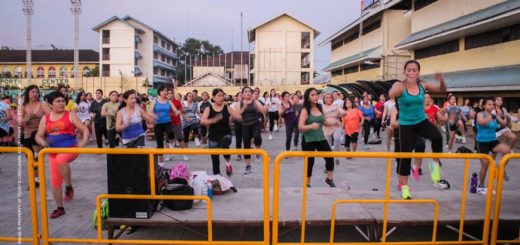
Plaza Independencia nowadays is a sanctuary of love, joy and fun-filled activities. Families enjoy their small picnic and bonding time in the plaza. Parents capture the precious smiles of their children as if time slowed down and all they have in mind is the laughter and enthusiasm the plaza has brought to fill their hearts. Some other activities held in the plaza are marathon and fun runs, prenuptial shooting, parades, rallies and setting for school projects.
Simple gatherings, to take pictures and to enjoy the idle moments, grant us a chance to appreciate the beauty as well as the rich history of the plaza. Looking around and watching those old acacia trees that were the silent witnesses of all the passing years, we discover how aesthetic and memorable Plaza Independencia is. It truly is picture perfect.